
The Cultural Significance Of Jewellery
Food For Thought
The Symbiotic Relationship Of Jewellery And Culture
Why Is Jewellery Significant In Asian Cultures?
Have you ever stopped to wonder why jewellery matters so much across cultures?
Jewellery is more than something to wear. Across cultures, it tells stories about who we are, where we come from, and the milestones that shape our lives. Each piece carries meaning, connecting us to heritage and history.
In India, the symbolism of jewellery is woven into life’s most important rituals. Take the traditional chooda (wedding bangles, usually red and white, worn by brides). They signify marital status, prosperity, and good fortune.
"The rituals surrounding them, from the moment they are worn at the wedding to when they are eventually broken, transform jewellery from an accessory into a marker of life’s transitions" (BollywoodShaadis, 2025).
In China, jewellery conveys a different narrative. Jade, often called the Stone of Heaven, has long represented purity, virtue, and longevity.
Generations pass jadeite bangles down as both family identity and cultural legacy. Gold also carries profound meaning. Presented as wedding gifts, it represents "wealth, blessings, and luck for the couple’s future" (Christie’s, 2025; The Archaeologist, 2025).
The significance of these materials is not just cultural, but likewise "astronomically economical" (for use of better terms).
Christie’s recently featured jadeite bangles carved with the Five Blessings, symbolizing happiness, wealth, longevity, love, and virtue.
Sotheby’s has auctioned Qing Dynasty jadeite necklaces for more than HK$200 million, underscoring how history and heritage heighten both symbolic and material value (Sotheby’s, 2025).
From India’s chooda to China’s jade and gold heirlooms, jewellery goes beyond adornment. It preserves memory, celebrates milestones, and embodies values.
Your Journey With Sophie
Work one-on-one with our expert jewellers to design a piece that’s uniquely yours — from concept to flawless creation.


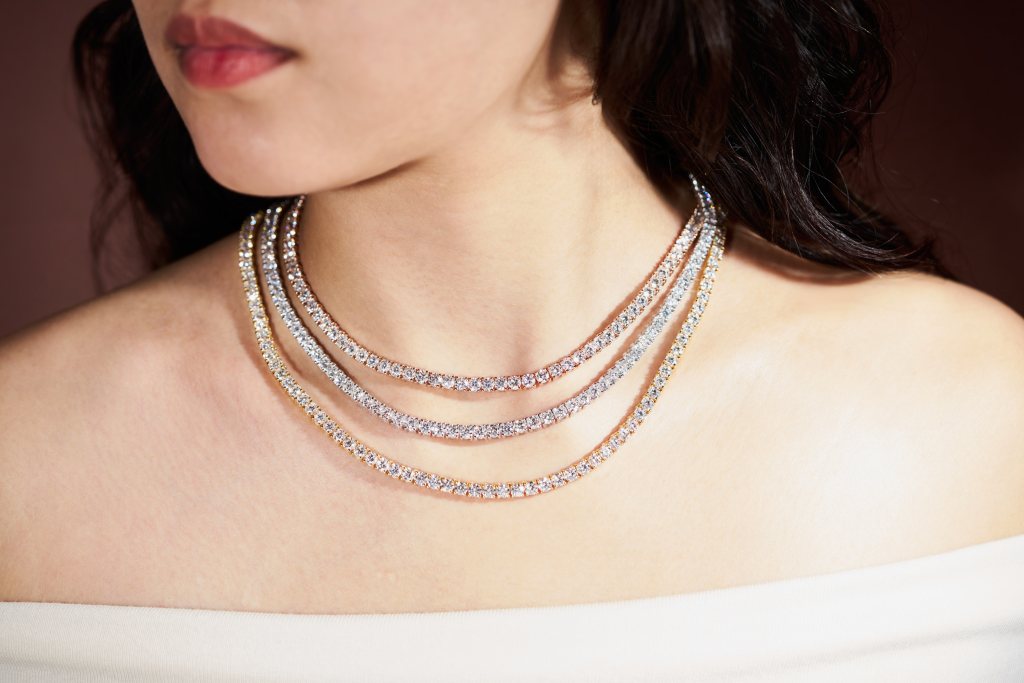
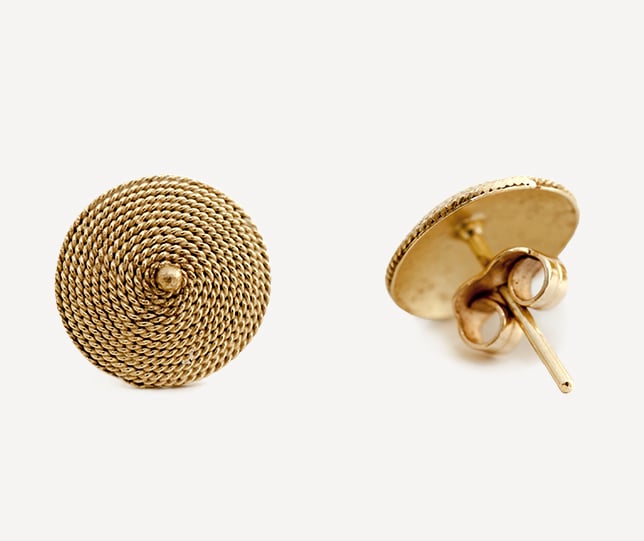


Over 80% of Asian families consider gold jewellery essential for weddings and festivals, symbolizing prosperity and heritage.
In China and India, jewellery is seen as a marker of social status, with intricate designs passed down as cherished heirlooms.